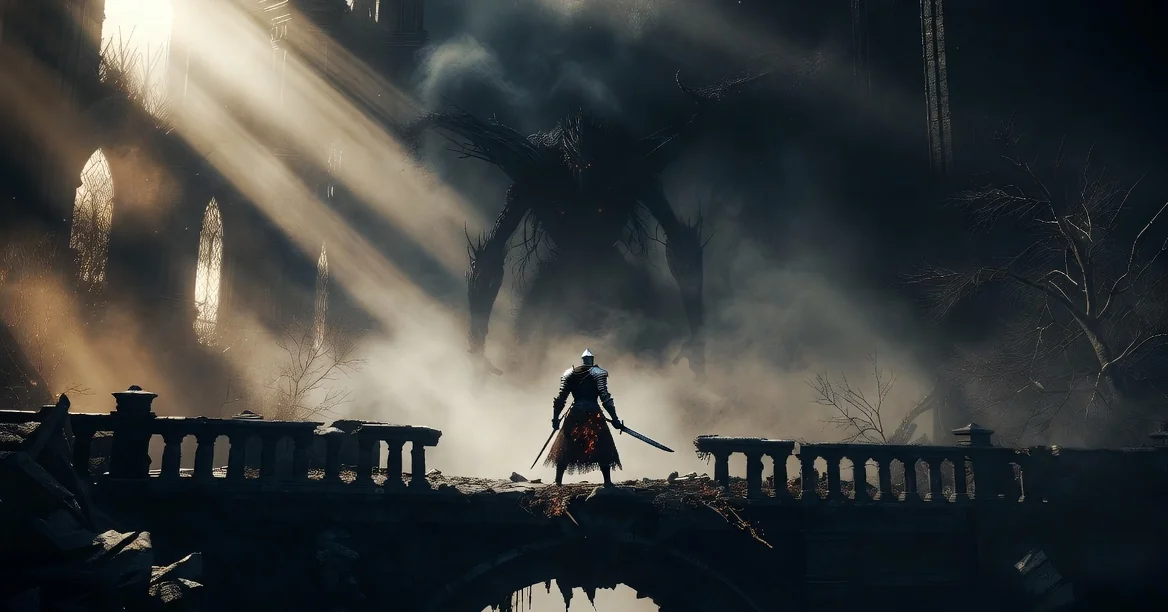
FromSoftware’s Soulsborne games have carved out one of the most distinctive and influential genres in modern gaming. Titles like Demon’s Souls, Dark Souls, Bloodborne, Sekiro: Shadows Die Twice, and Elden Ring aren’t just games—they’re experiences that test players’ patience, skill, and sanity. At the heart of the genre’s identity and its cultural impact lies one inescapable element: crushing, often unforgiving difficulty. This challenge is precisely what makes Soulsborne games so divisive.

What Defines the Soulsborne Genre?
Soulsborne (a portmanteau of Souls and Bloodborne) refers to action RPGs developed by FromSoftware under the direction of Hidetaka Miyazaki. These games typically feature:
- Dense, interconnected world design (especially in the earlier titles)
- Deep, environmental storytelling with minimal hand-holding
- Deliberate, methodical combat that rewards timing, positioning, and pattern recognition
- High risk/reward mechanics, including the loss of currency (souls/blood echoes) upon death
- Boss fights that often feel like epic, grueling rites of passage
- Rich lore that rewards deep reading, community theorycrafting, and multiple playthroughs
While Elden Ring opened the formula up with greater freedom and accessibility options, the core philosophy remains: the world is harsh, death is a teacher, and victory feels profoundly earned.
The Difficulty Debate: Git Gud or Gatekeeping?
No single aspect of Soulsborne games sparks more discussion than their difficulty. For many players, it is the defining appeal. For others, it is an impenetrable wall.
The Case for Difficulty as Art
Fans argue that the steep challenge is fundamental to the genre’s emotional payoff. Every boss that once seemed impossible eventually falls, creating moments of genuine triumph that few other games can replicate. The learning curve forces you to slow down, observe, experiment, and improve. Death isn’t punishment—it’s feedback.
This philosophy resonates with a specific kind of player: those who enjoy mastery, pattern recognition, and the satisfaction of overcoming systems that initially feel unfair. The online community amplifies this with memes like “Git Gud,” co-op summons (when available), and endless “you died” montages. Completing a Soulsborne game often feels like joining an exclusive club of people who “get it.”
The Other Side: Frustration, Exclusion, and Burnout
Critics of the difficulty argue that it can cross the line from challenging into tedious or even poorly designed. Some bosses feel like they require near-perfect execution or specific builds, leading to hours of repetitive grinding or farming. For players with limited time, disabilities, or different skill levels, the lack of meaningful difficulty options (until recent entries) can feel exclusionary rather than fair.
Sekiro in particular amplified this debate by removing most build variety and forcing players into a specific playstyle centered on posture and deflection. Many loved the purity of it; others bounced off entirely. Even Elden Ring, which introduced spirit ashes, open-world freedom, and easier co-op, still draws complaints that certain late-game encounters remain brutally punishing.
Players have shared stories of rage-quitting, broken controllers, and weeks of real-life frustration. The genre’s reputation can also intimidate newcomers who assume they simply aren’t “good enough” to enjoy these games.

Why the Division Matters
The polarizing difficulty is not a bug—it’s the feature that keeps Soulsborne culturally relevant. In an industry trending toward player-friendly design, accessibility options, and shorter experiences, FromSoftware largely doubles down on their vision. This creates strong, authentic emotional connections:
- Adrenaline and dopamine hits from finally beating a tough section feel more powerful precisely because of the struggle.
- Community bonding through shared suffering and eventual success.
- Counter-programming against modern game design trends.
Yet this same approach limits the potential audience. Many people who admire the art direction, atmosphere, music, and world-building never experience them because the barrier to entry is so high.
The Evolution and Future
FromSoftware has shown some willingness to evolve. Elden Ring is noticeably more approachable than Dark Souls 3 or Bloodborne thanks to its open structure and summoning tools. Patches have occasionally nerfed particularly notorious bosses. The upcoming Elden Ring Nightreign and whatever comes next will likely continue testing how far the formula can stretch while retaining its soul.
Modders and the community have also stepped in, creating easier modes, practice tools, and accessibility mods that FromSoftware itself hasn’t officially provided.

Should You Try a Soulsborne Game?
If you’re considering diving in:
- Start with Elden Ring if you want the most forgiving entry point.
- Try Bloodborne or Dark Souls Remastered if you want the classic, more linear experience.
- Expect to die—a lot. Embrace it as part of the journey.
- Use guides sparingly at first, but don’t feel ashamed for looking things up when truly stuck.
- Play at your own pace. There’s no shame in summoning help or over-leveling.
The Soulsborne genre proves that games don’t need to be for everyone to be masterpieces. They thrive because they refuse to compromise their core identity. Whether you see that as refreshing artistic integrity or arrogant gatekeeping often determines whether you’ll fall in love with these games or write them off entirely.
In the end, Soulsborne isn’t just about difficulty. It’s about resilience, discovery, and the rare feeling of conquering something that genuinely fought back. For some, that’s the greatest thing gaming has to offer. For others, it’s simply not worth the pain.